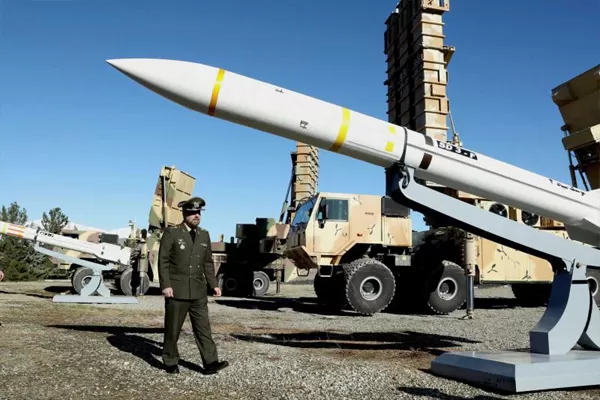
Iran gets most of its ammunition from its own defense industry. Because of long-term sanctions and restrictions, Iran has spent years building a strong local military manufacturing system. This allows the country to produce many types of ammunition without depending fully on outside suppliers.
1. Domestic defense industries
The biggest source of ammunition for Iran is its state-controlled military industry. Organizations linked to the Ministry of Defense and the Islamic Revolutionary Guard Corps (IRGC) manufacture small-arms bullets, artillery shells, rockets, missiles, drones, and naval munitions. Iran developed this local production capability mainly to reduce the effect of international sanctions.
2. Missile and rocket manufacturing
Iran is especially known for producing its own rockets and ballistic missiles. These systems use locally assembled fuel, warheads, and launch components, though some designs and technologies were originally influenced by foreign suppliers. Over time, Iran expanded from basic rockets to more advanced guided systems.
3. Imported components and technology
Even though Iran produces a large share domestically, some ammunition-related materials and parts can still come from outside the country through indirect channels. These may include electronics, machine tools, propellants, metals, and dual-use items that help Iran continue production. In many cases, Iran relies more on components and know-how than on complete imported ammunition.
4. Foreign military cooperation
In earlier years, Iran benefited from military cooperation and technical support from countries such as North Korea, China, and Russia, especially in missile development and weapons engineering. This support helped Iran strengthen its local ammunition and weapons manufacturing base, even if current supply is mostly internal.
5. Proxy and regional supply networks
Iran also uses regional networks connected to allied armed groups for movement, storage, and transfer of weapons and ammunition. While these groups are more often receivers of Iranian arms, such networks can also support logistics, parts transfer, and distribution across the region