The internet wasn’t invented by a single person—it was developed over time by multiple scientists and organizations.
- The foundation began with Vint Cerf and Robert E. Kahn, who created the TCP/IP protocol, the core communication system of the internet.
- Earlier, the concept of networking computers came from projects like ARPANET, funded by the DARPA in the late 1960s.
- Later, Tim Berners-Lee invented the World Wide Web (WWW) in 1989, which made the internet user-friendly and accessible to the public.
The global connection of the internet happened in stages:
1. Early Network (1960s–1970s)
- Computers were first connected in limited networks like ARPANET.
- These networks allowed researchers to share data over long distances.
2. Development of TCP/IP (1970s–1980s)
- TCP/IP became the standard communication protocol.
- It allowed different networks to connect and communicate—forming a “network of networks.”
3. Expansion Worldwide (1980s–1990s)
- Universities, governments, and companies worldwide started connecting.
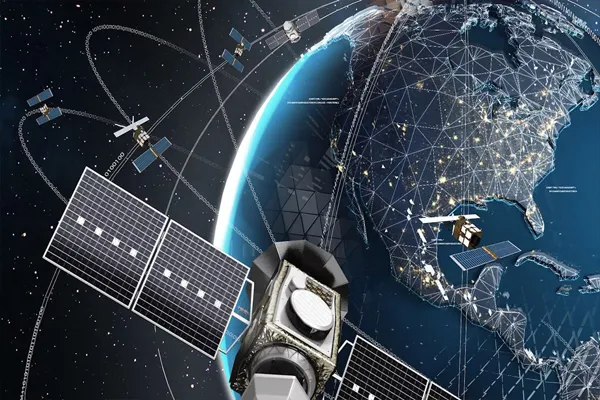
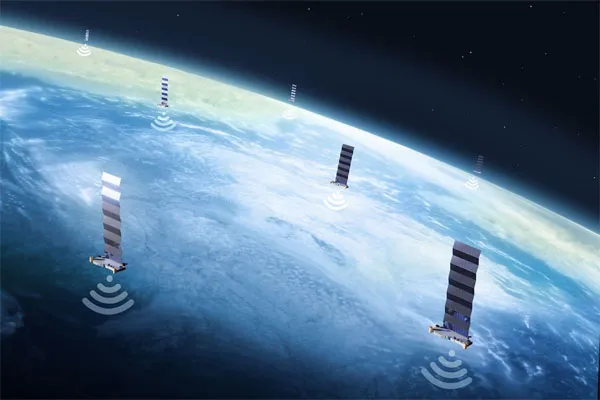
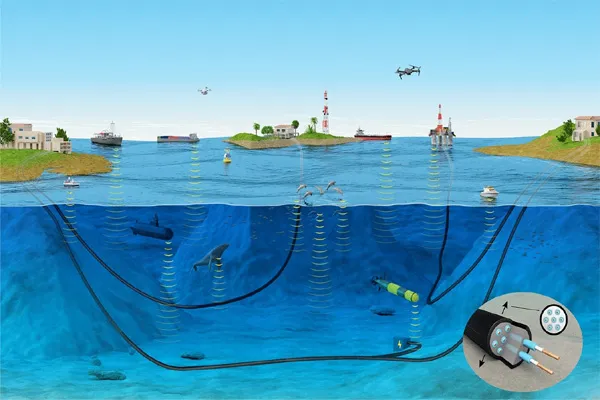
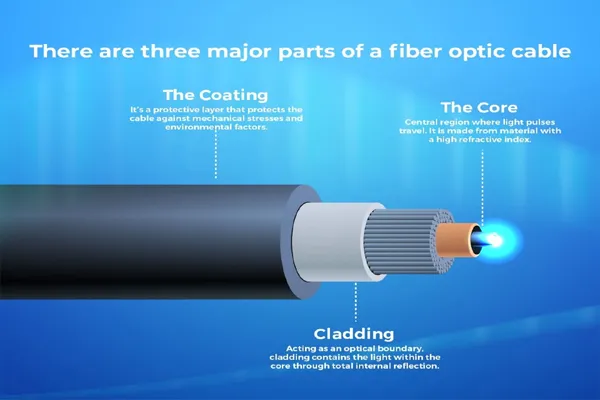
- Fiber-optic cables and satellite communication enabled long-distance connections.
4. Birth of the World Wide Web (1990s)
- Tim Berners-Lee introduced websites, browsers, and hyperlinks.
- This made the internet easy for ordinary people to use.
5. Modern Global Internet
- Today, the internet connects billions of devices through:
- Undersea fiber-optic cables
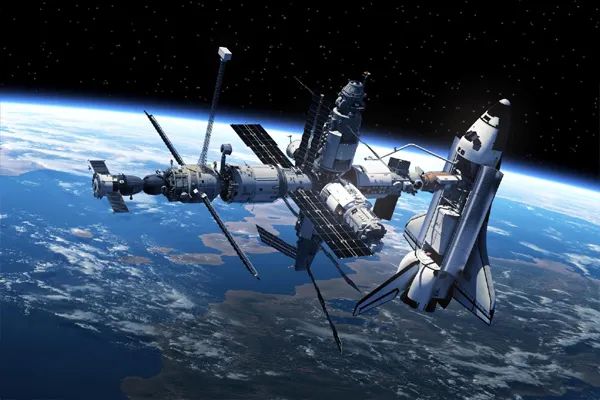
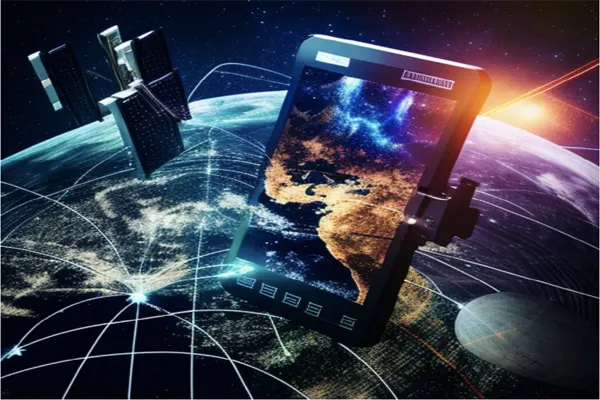
- Satellites
- Wireless networks (Wi-Fi, mobile data)