WhatsApp blocks bulk messages mainly to protect users from spam, scams, and misuse of the platform.
1. Anti-Spam Protection
Sending too many messages at once—especially to people who don’t have your number saved—looks like spam behavior. WhatsApp automatically detects this and may:
- Temporarily ban your account
- Permanently block your number
2. User Privacy & Safety
WhatsApp prioritizes user experience. Bulk messages can:
- Annoy users
- Spread misinformation
- Be used for phishing or fraud
So the platform restricts mass messaging to keep conversations personal and secure.
3. High Report & Block Rate
If many recipients:
- Report your messages as spam
- Block your number
WhatsApp flags your account quickly. Even a few reports can trigger restrictions.
4. Use of Automation Tools
Using unofficial tools, bots, or modified apps (like GB WhatsApp) violates WhatsApp policies. This can lead to:
- Immediate account suspension
- Permanent bans
5. Abnormal Messaging Patterns
WhatsApp monitors behavior such as:
- Sending identical messages repeatedly
- Messaging many unknown contacts
- Sudden spikes in activity
These patterns indicate bulk messaging and trigger blocking.
6. Business vs Personal Use
If you’re sending bulk messages for marketing:
- Personal WhatsApp accounts are not allowed to do this
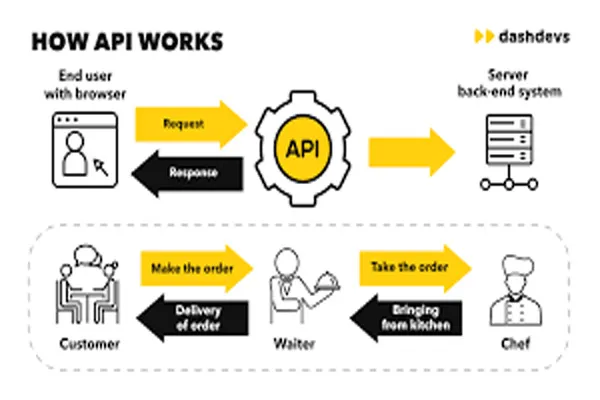
- You must use WhatsApp Business API
The API allows bulk messaging, but only:
- To users who have opted in
- With approved message templates
How to Avoid Getting Blocked
- Send messages only to contacts who know you
- Avoid sending the same message repeatedly
- Don’t use third-party automation tools
- Use broadcast lists carefully (limited size)
- Switch to WhatsApp Business API for marketing
Key Takeaway
WhatsApp blocks bulk messages to prevent spam, protect users, and maintain trust on the platform. If you need bulk communication, use official business tools and follow their rules.