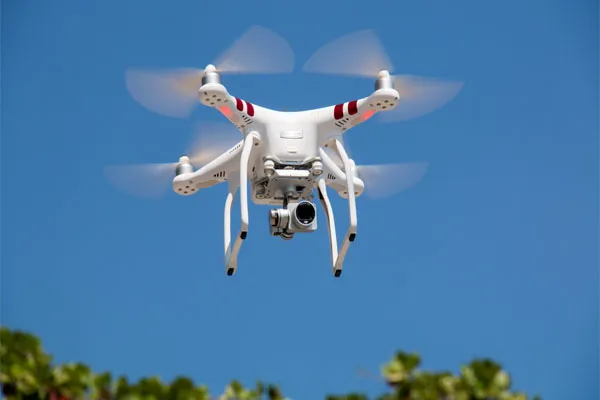
Unmanned aerial vehicles (UAVs), commonly called drones, combine advances in airframe design, propulsion, sensors, communications, computing, and artificial intelligence to perform reconnaissance, targeting, strike, and logistics tasks with minimal human risk. Modern military drones range from small quadcopters used for tactical observation to large, long-endurance platforms that loiter for days. Key enabling technologies are miniaturized sensors (EO/IR, synthetic aperture radar), robust data links and satellite communications, onboard autopilots and AI for autonomy, precision navigation (GNSS + inertial systems), and countermeasures-resilient communications. The result is faster decision cycles, greater persistence over the battlefield, and new challenges in detection, attribution, and rules of engagement.
1. Introduction
Drones have transformed modern warfare by providing persistent surveillance, precision strike capability, resupply, and electronic warfare functions without putting pilots at immediate risk. Their effectiveness stems from integrating many technologies that together allow autonomy, survivability, accurate navigation, and data-rich sensing.
2. Airframe and propulsion
-
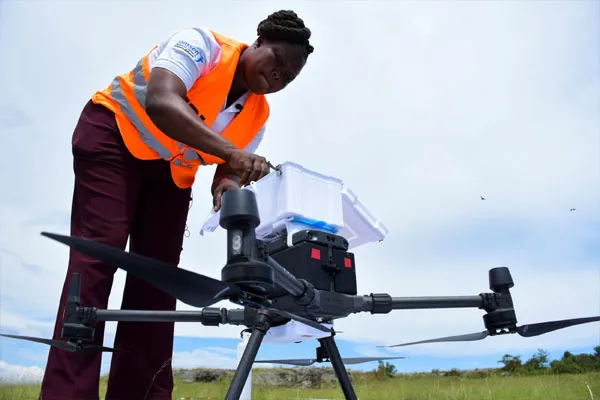
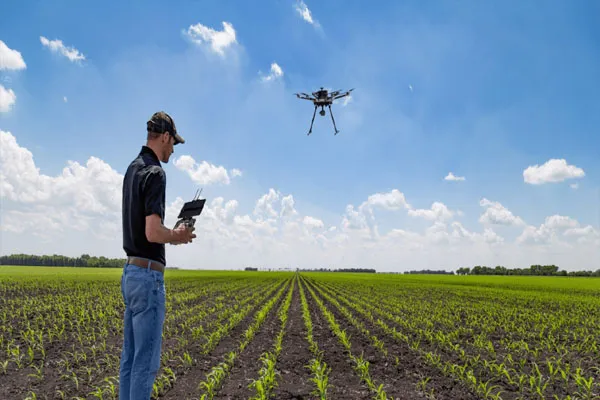
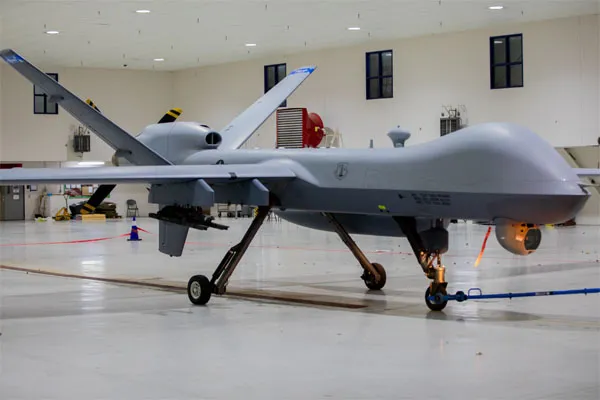
Form factors: Sizes vary from palm-sized quadcopters for tactical reconnaissance to long-endurance fixed-wing platforms. Each design balances payload, endurance, speed, and stealth.
-
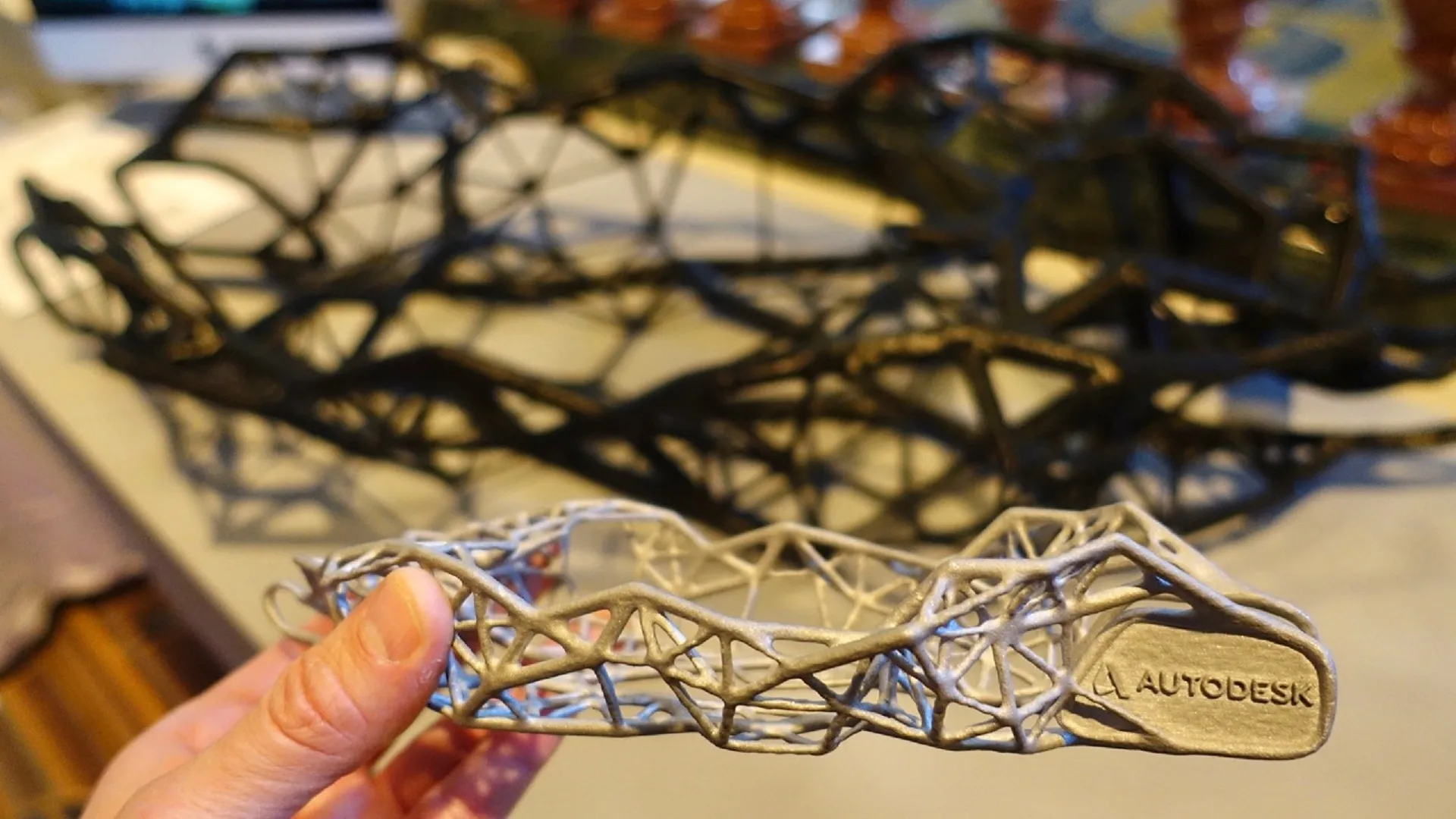
Materials: Lightweight composites and advanced alloys reduce weight while increasing strength and thermal tolerance.
-
Propulsion: Electric motors dominate small drones (quiet, low thermal signature); internal-combustion engines or turbo-props are used for larger long-endurance systems. Hybrid power systems extend range and loiter time.
-
Low-observable design: Shapes and materials can reduce radar cross-section and thermal signatures to improve survivability.
3. Navigation and positioning
-
GNSS (GPS/GLONASS/others): Primary source for positioning and waypoint navigation.
-
Inertial navigation systems (INS): Provide continuity when GNSS is denied or jammed; modern micro-electromechanical systems (MEMS) INS are compact and robust.
-
Sensor fusion: Combining GNSS, INS, visual odometry, lidar, and magnetometers yields high-accuracy navigation and redundancy.
-
Resilience to denial: Anti-jam antennas, redundant navigation sources, and autonomous pathfinding help operate during electronic attacks.
4. Sensors and payloads
-
Electro-optical / infrared (EO/IR) cameras: For day/night imaging, target identification, and ISR (intelligence, surveillance, reconnaissance).
-
Synthetic aperture radar (SAR): All-weather mapping and moving-target indication from higher-altitude platforms.
-
Signals intelligence (SIGINT): Intercepts communications, radar emissions, and electronic signatures for targeting and situational awareness.
-
Lidar and laser rangefinders: Precision mapping, obstacle avoidance, and targeting.
-
Weapons and payloads: From small guided munitions to larger precision missiles; modular payload bays allow rapid role changes.
5. Communications and command & control (C2)
-
Line-of-sight (LOS) links: High-data-rate radio links for near-field operations.
-
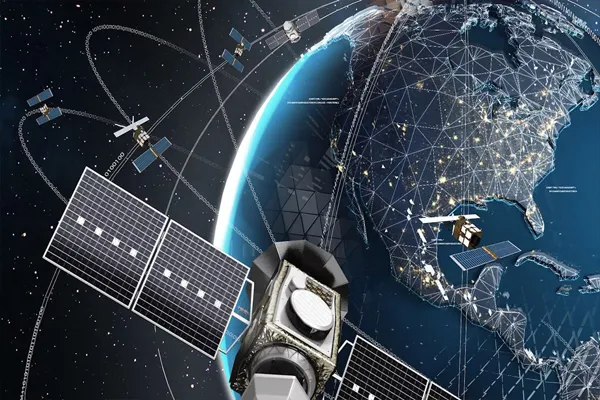
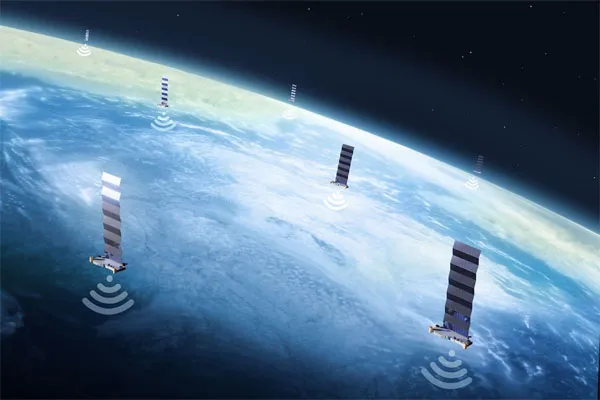
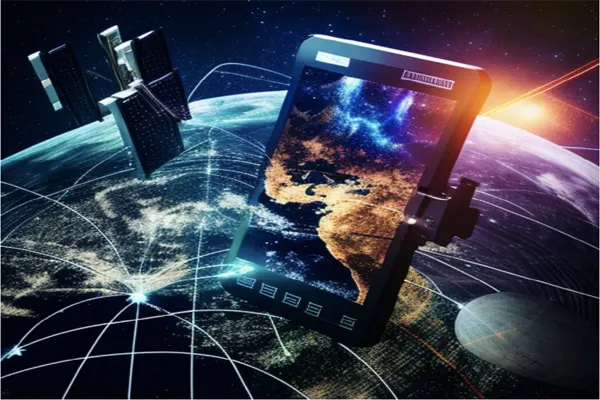
Beyond-line-of-sight (BLOS): Satellite communications and relay networks provide global reach and persistent control.
-
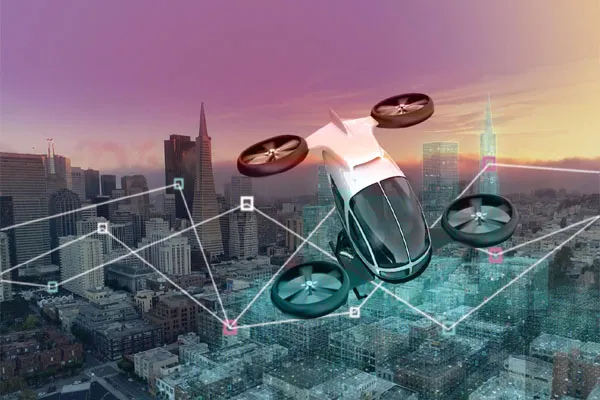
Mesh networks and relays: Allow swarms and distributed units to coordinate without a single central link.
-
Encryption and cyber-hardening: Essential to protect C2 links from interception, spoofing, or takeover.
6. Autonomy, AI, and onboard computing
-
Autopilots & flight controllers: Manage stable flight, path following, and mission execution.
-
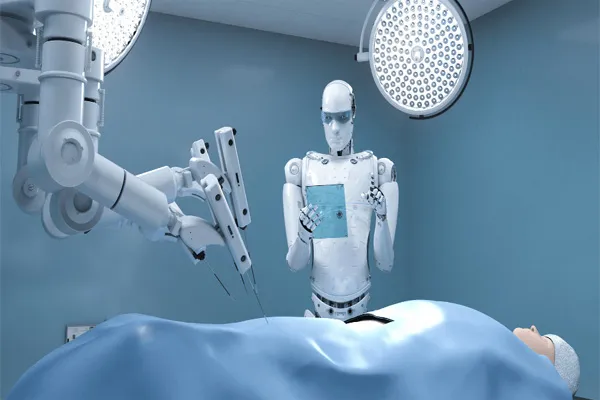
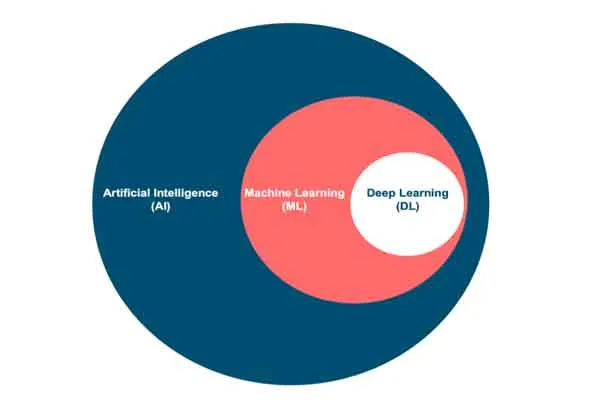
Onboard AI: Enables target recognition, threat avoidance, dynamic tasking, and decision support — reducing operator workload and latency.
-
Edge computing: Local processing of sensor data allows real-time decisions without a continuous high-bandwidth link to remote servers.
-
Swarm behaviour: Distributed algorithms let many small drones coordinate, share targets, and adapt to losses—creating emergent capabilities.
7. Electronic warfare, sensing, and countermeasures
-
EW equipment on drones: Jammers and decoys can suppress enemy radar and communications or protect other assets.
-
Counter-drone tech: Radar, RF detectors, electronic jamming, directed-energy weapons, and kinetic interceptors are deployed to detect and defeat hostile UAVs.
-
Signature management: Thermal, acoustic, and RF suppression techniques aim to reduce detectability.
8. Integration with other systems
-
Network-centric operations: Drones feed data into C4ISR systems (command, control, communications, computers, intelligence, surveillance, reconnaissance), enabling joint targeting.
-
Manned-unmanned teaming: Coordinated operations where manned platforms direct or are supported by unmanned assets.
-
Logistics and resupply: Larger UAVs can deliver supplies to forward units, reducing risk to convoys.
9. Legal, ethical, and operational concerns
-
Targeting and collateral risk: Autonomous targeting raises questions about appropriate human control and rules of engagement.
-
Attribution and escalation: Drones complicate attribution—especially small, low-cost drones—raising escalation risks.
-
Proliferation: Lower cost and commercial availability make drone capabilities accessible to non-state actors, increasing asymmetric threats.
-
Privacy and airspace: Military use near civilian areas raises legal and safety concerns.
10. Emerging trends
-
Miniaturization: More capable sensors and weapons packed into ever-smaller airframes.
-
Directed-energy defenses: Lasers and microwave systems for rapid, low-cost interception.
-
AI-assisted decision loops: Faster sensor-to-shooter timelines with human-in-the-loop or on-the-loop models.
-
Autonomous logistics & underwater/ground unmanned system integration: Greater cross-domain unmanned operations.