Spam filter software plays a crucial role in protecting email users from unwanted, harmful, and irrelevant messages. It helps organizations and individuals maintain communication efficiency and safeguard their digital security. The major advantages include:
1. Protects Against Malicious Emails
Spam filters block phishing emails, malware attachments, ransomware links, and other harmful content that could compromise sensitive data or infect systems.
2. Saves Time and Improves Productivity
By automatically removing unwanted emails, spam filters reduce inbox clutter. Users spend less time sorting through junk mail and more time focusing on important tasks.
3. Enhances Email Security
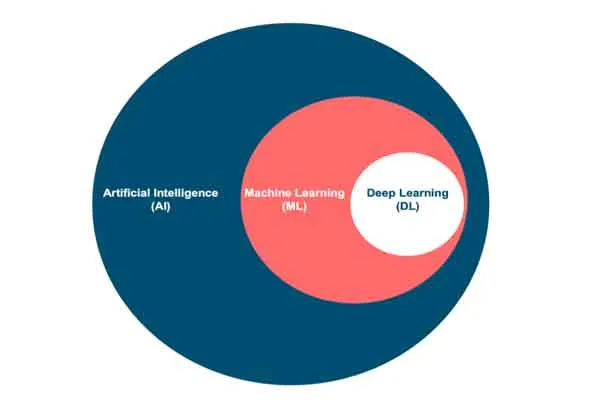
Modern spam filters use AI, machine learning, and signature-based detection to identify suspicious patterns, preventing cyberattacks before they reach the user.
4. Reduces Risk of Data Breaches
Blocked phishing attempts and fraudulent emails significantly lower the chances of confidential information being leaked or stolen.
5. Improves Network Performance
Filtering large volumes of spam reduces bandwidth usage. This helps maintain smoother network performance and reduces server load.
6. Protects Business Reputation
By preventing email spoofing and impersonation attacks, spam filters help ensure that a company’s domain is not used for fraudulent activities.
7. Auto-Updating Threat Intelligence
Most spam filters update continuously with the latest threat data. This allows them to adapt to new spamming techniques and evolving cyber threats.
8. Customizable Filtering Rules
Organizations can set their own rules for email filtering—such as whitelists, blacklists, and keyword monitoring—giving full control over their email environment.
9. Reduces Risk of Employee Mistakes
Even trained employees can accidentally click malicious links. Spam filters reduce human error by stopping dangerous messages before they reach the inbox.
10. Helps Maintain Compliance
Regulated sectors (finance, healthcare, etc.) can ensure email communication stays compliant with data protection laws by preventing unauthorized or harmful messages.