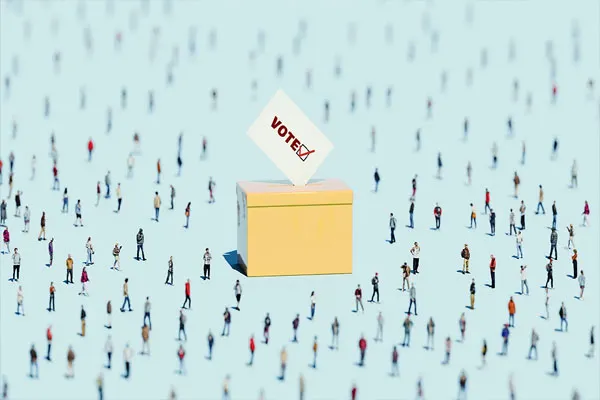
Pre-poll surveys, also called opinion polls, are conducted before an election to understand the mood of voters and predict possible outcomes. These surveys help political parties, media organisations and election analysts study public opinion, key issues, and voter preferences.
1. Planning the Survey
Survey agencies first design the structure of the poll:
-
Define the purpose (e.g., who voters prefer, key issues, satisfaction with government).
-
Select target areas (urban, rural, swing constituencies).
-
Prepare a questionnaire with objective, unbiased questions.
2. Sampling the Population
A scientifically selected sample of voters is chosen to represent the entire population.
Common sampling methods include:
-
Random sampling
-
Stratified sampling (based on caste, religion, age, gender, region)
-
Cluster sampling (specific villages/wards)
A proper sample ensures the results reflect the opinion of the wider electorate.
3. Data Collection
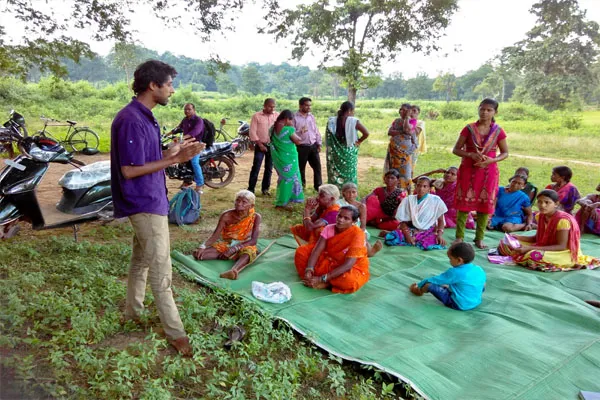
Field researchers or digital tools collect responses through:
-
Face-to-face interviews
-
Phone calls
-
Online surveys
-
Mobile apps
Respondents share their views on:
-
Preferred candidate/party
-
Issues influencing their vote
-
Government performance
-
Local concerns
4. Data Analysis
Experts analyse the collected data using statistical methods:
-
Converting raw responses into voter-share estimates
-
Weighting data to match demographic profiles
-
Identifying trends and patterns
This helps reduce sampling errors and biases.
5. Seat Forecasting
Data is converted into a seat projection using:
-
Past election results
-
Booth-level patterns
-
Swing analysis
-
Vote-to-seat conversion models
This gives a prediction of which party may win how many seats.
6. Publication of Results
Media channels, survey agencies, or political consultants publish the findings showing:
-
Vote share
-
Seat forecasts
-
Key issues
-
Voter sentiment
These results influence public discussions and campaign strategies.
7. Limitations of Pre-Poll Surveys
Pre-poll surveys are indicators, not guarantees.
They may face challenges such as:
-
Response bias
-
Undecided voters
-
Last-minute voter swings
-
Limited or unrepresentative samples
Therefore, actual election results may differ from predictions.