-
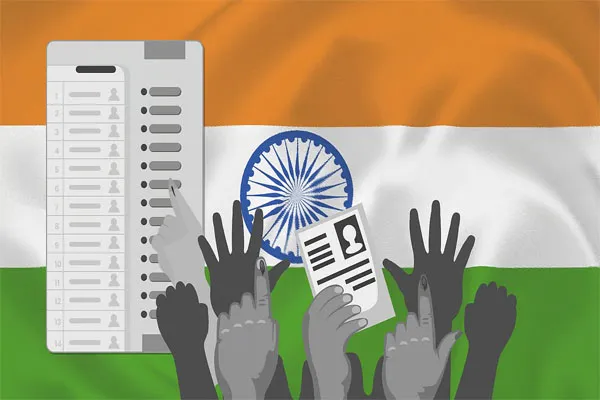
SIR stands for Special Intensive Revision of electoral rolls.
-
It's an intensive, large-scale, ground-up exercise (unlike regular annual or summary roll updates) that aims to verify all voters.
-
Legal basis: under Article 324 of the Constitution and Section 21 of the Representation of the People Act, 1950. Key goals: include new eligible voters (turning 18), correct data (name, address), and remove ineligible entries: dead, migrated, duplicate, or illegal (non-citizen) voters.
-
SIR 2025 is being conducted in 12 states / UTs
-
Data Comparison with Old Rolls
-
The EC (Election Commission) maps current voter entries against older “intensive revision” rolls (for many states these date back to early 2000s).
-
This helps detect demographic similarities and potentially identify duplicate registrations.
-
-
Use of De-duplication Software
-
The EC uses software to flag “potential duplicate entries.”
-
These are not automatically removed: flagged cases are then verified on the ground before deletion.
-
-
House-to-House Enumeration
-
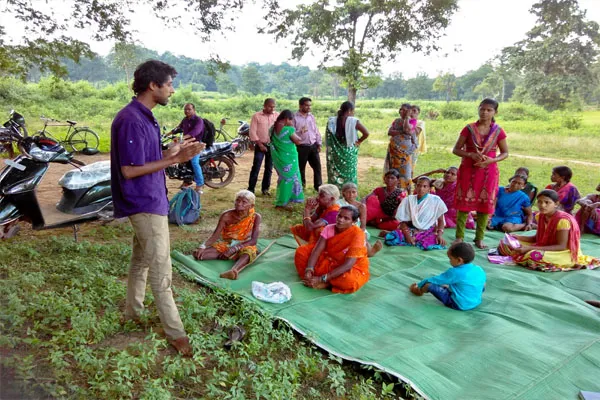
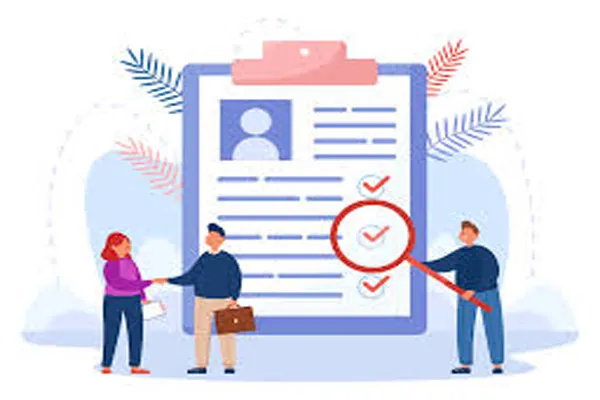
Booth Level Officers (BLOs) carry out door-to-door verification.
-
During enumeration, BLOs check whether a voter is genuinely at the address, has moved, or if there are overlapping entries.
-
-
Enumeration Forms + Declarations
-
Voters are required to fill in a modified enumeration form (Form 6) and a declaration form.
-
These forms ask for personal details (name, relative, age, address) which help in verifying against potential duplicates.
-
-
Public Display of Draft Rolls
-
After enumeration, a draft electoral roll is published.
-
This allows the public (and political parties) to make claims and objections — for example, flagging duplicate entries.
-
-
Verification and Deletion
-
Entries identified as duplicates go through further scrutiny. Field verification is done to confirm if they're truly duplicates (or just similar names).
-
After verification, ineligible entries (including confirmed duplicates) are removed.
-
-
Final Roll Publication
-
Once claims, objections, and verifications are completed, the final voter list is published.
-
These final rolls are “cleaned” of duplicates, among other categories
-
Impact / Results: Duplicate Voter Removal
-
In Bihar’s recent SIR, over 6.85 lakh (685,000) duplicate entries were flagged in the draft phase.
-
Ultimately, 68.5 lakh (6.85 million) names were removed in total (not all duplicates — includes deceased, migrated, etc.).
-
According to reports, more than 35 lakh ineligible names were removed in Bihar, including dead, migrated, and duplicate voters.
Significance of Removing Duplicate Voters
-
Democratic Integrity: Removing duplicates helps strengthen the credibility of elections by ensuring only legitimate, unique electors are on the rolls.
-
Prevention of Fraud: Duplicate entries can enable “ghost voting” or double voting if not checked; SIR mitigates this risk.
-
Better Resource Allocation: Accurate voter lists help in planning polling stations, staff, and budgeting more effectively.
-
Public Trust: A voter list perceived as dirty (full of fake or duplicate entries) undermines trust; SIR is meant to clean it up.
Challenges and Criticisms
-
Risk of Genuine Voter Deletion: Mistakes in enumeration form or declaration might lead to removal of legitimate voters. For example, tying relative’s name: confusion over who “relative” means (father, spouse, sibling) has been raised.
-
Verification Limitations: Even with software, flagged duplicates need on-ground verification, which is resource-intensive and not foolproof.
-
Public Backlash / Political Pushback: Some political parties and voters argue that SIR may disenfranchise certain communities.
-
Transparency Issues: There are demands (e.g., from SC) to publish the list of deleted voters along with reasons (death, migration, duplication).
-
Data Quality Concerns: Some independent analysts claim that the EC's de-duplication is not fully accurate — there are still many doubtful or “demographically similar” entries after SIR.