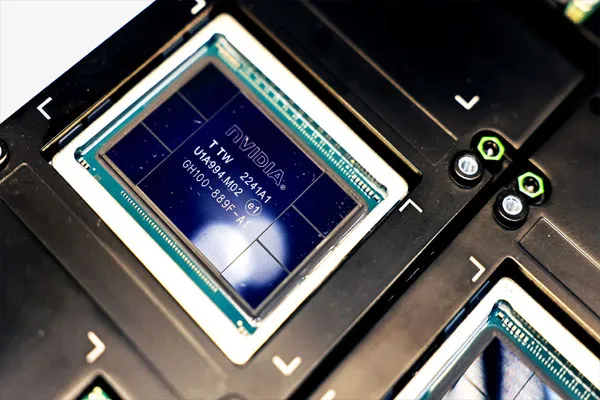
Microsoft’s Windows team does not purchase NVIDIA chips directly for making the Windows operating system. This is because Windows is software, while NVIDIA produces hardware like GPUs (graphics chips). These two products serve different roles in the technology ecosystem. Below are the main reasons:
1. Windows is a software platform, not a hardware product
Windows is designed to run on a wide range of devices—laptops, desktops, tablets, and servers.
If Microsoft purchased NVIDIA chips exclusively, Windows would become dependent on one hardware vendor, reducing compatibility.
2. Windows must support multiple chip-makers
Microsoft’s strategy is to ensure Windows runs smoothly on hardware from many companies:
-
Intel CPUs
-
AMD CPUs & GPUs
-
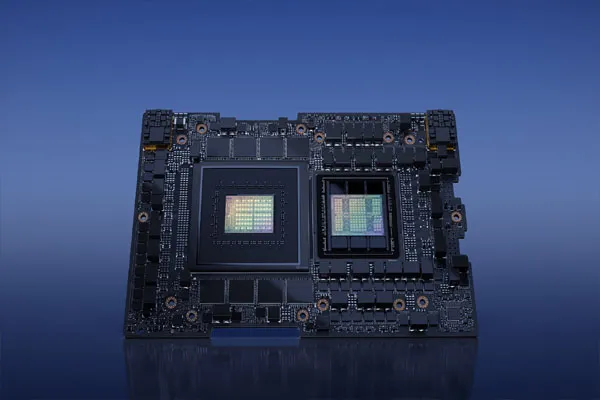
NVIDIA GPUs
-
Qualcomm ARM chips
This broad compatibility allows consumers and PC makers (HP, Dell, Lenovo, etc.) to choose their preferred hardware.
3. PC manufacturers, not Windows, buy the chips
Companies like:
-
Dell
-
HP
-
Lenovo
-
Asus
These are the ones who purchase NVIDIA chips and integrate them into their laptops, desktops, or gaming systems. Windows simply supports the hardware through drivers.
4. Microsoft only buys chips for its cloud services, not Windows
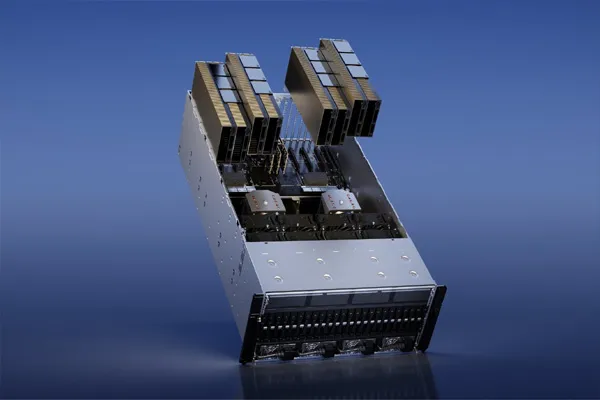
Microsoft does purchase GPUs for its Azure data centers, and they do buy NVIDIA GPUs for AI computing. But this has nothing to do with the Windows operating system.
5. Microsoft is also developing its own AI chips
Microsoft recently introduced its own server chips like:
-
Microsoft Maia (AI accelerators)
-
Microsoft Cobalt (ARM-based CPUs)
Because of this, they are reducing dependency on NVIDIA for certain cloud workloads.
6. Cost and supply constraints
NVIDIA GPUs, especially for AI, are extremely expensive and often in short supply. Microsoft prefers having multiple suppliers to avoid shortages and reduce cost pressure.
Summary
Windows does not purchase NVIDIA chips because:
-
Windows is software, not hardware.
-
It must remain compatible with all processors.
-
OEM manufacturers, not Microsoft Windows, buy the GPUs.
-
Microsoft only buys chips for cloud services, not for Windows OS development.
-
They are building their own chips for long-term independence.